

SOPHiA CarePath®

B2B Healthcare Platform

Overview

SOPHiA Genetics is a data-driven medicine company serving over 750 institutions globally. CarePath is their first multimodal clinical data platform, a unified view where genomic data, imaging, and clinical notes come together for precision oncology.

I led the UX research and design for CarePath platform as part of the DEEP-Lung-IV clinical study, an international observational study combining real-world clinical, biological, genomic, and radiomic data to identify predictive treatment response signatures in stage IV non-small cell lung cancer.

At a Glance

Clinicians were navigating 3+ disconnected systems, spending 35 minutes per case just gathering data, while 62% of available genomic insights went unused.

My "basics first" approach prioritized reliability and speed, resulting in 30+ minutes saved per case, an 82% System Usability Score, and preventing 6 months of unnecessary feature development.

The platform now supports an international study with ~2,000 lung cancer patients across 8 countries.

Challenge

35
min wasted per patient case gathering data
3+
systems clinicians had to navigate
62%
of genomic data went unused
0
collaboration tools across 30 sites

Solution

Cohort creation tool for grouping similar patients.

Designed “basics first” approach prioritising reliability over advanced features.

Unified multimodal patient timeline and fast cohort creation tools.

The Stakes

Picture this: It's 2 AM. An oncologist needs to make a treatment decision. Genomic results are in one system. Imaging in another. Clinical notes scattered across a third.

It takes 30-45 minutes just to gather the data before any analysis can begin.

In oncology, every minute matters.
Impact

30 + min saved per case, 82% SUS score.

Prevented 6 months of unwanted development.

Enabled international study with  ~2,000 patients across 8 countries.

The Priority

When SOPHiA GENETICS asked me to lead research for their precision oncology platform, I knew this wasn't about adding features. It was about life-saving decisions happening faster.


The Reality for Oncologists

People it's reaching: ~2,000 patients across 30 sites in 8 countries through the DEEP-Lung-IV study.
The humans I worked with: Oncologists treating stage IV non-small cell lung cancer patients.
The breakthrough: They didn't need more features. They needed to feel less overwhelmed.
What they said: "Those 48 minutes I got back? That patient deserved them."
Time we gave back: 30+ minutes per patient case.

By the Numbers

30-45 min gathering data before analysis

3+ different systems per patient case

Genomic data unused 62% of time (too hard to access)

Treatment decisions delayed 2.3 days on average

The Solution

Unified patient timeline (all data in one view)

30+ minutes saved per patient case

SUS score: 82/100 (users love it)

~2,000 patients enrolled across 30 sites in 8 countries (DEEP-Lung-IV study)

My Contribution

Research: 10 in-depth interviews + 100 medical records analysed + 20 surveys

Key insight: Users needed reliable integration, not advanced features. This prevented 6 months of building features nobody wanted.

Strategic impact: Facilitated workshops that aligned the entire team on a "basics first" approach.

My Approach: Why My Medical Background Changed Everything

7 years of medical education, including rotations in Internal Medicine and Neurology. This wasn't just credentials. It was my research superpower.

What  Medical Training Gave Me

I spoke their language and earned instant trust

I saw what they couldn't say, the exhaustion behind professional composure

Treatment decisions delayed 2.3 days on average

Research Approach:
From Chaos to Clarity

I didn't start with surveys or usability tests. I started with listening.

Research Approach:
From Chaos to Clarity

I didn't start with surveys or usability tests. I started with listening.

Discovery: Meeting Them Where They Were
I conducted 10 in-depth remote interviews with oncologists to understand the real challenges they face daily treating stage IV non-small cell lung cancer patients.I didn't ask, "What features would you like?"I asked, "Tell me about your last really difficult case where data access was a problem."

What Happened When They Started Talking
The first oncologist I interviewed sat back in her chair and said: "Where do I even start?"And then she talked for 45 minutes.Not about features. About feeling overwhelmed. About wasting time. About knowing the data exists but not being able to get to it.

Making Sense of the Chaos
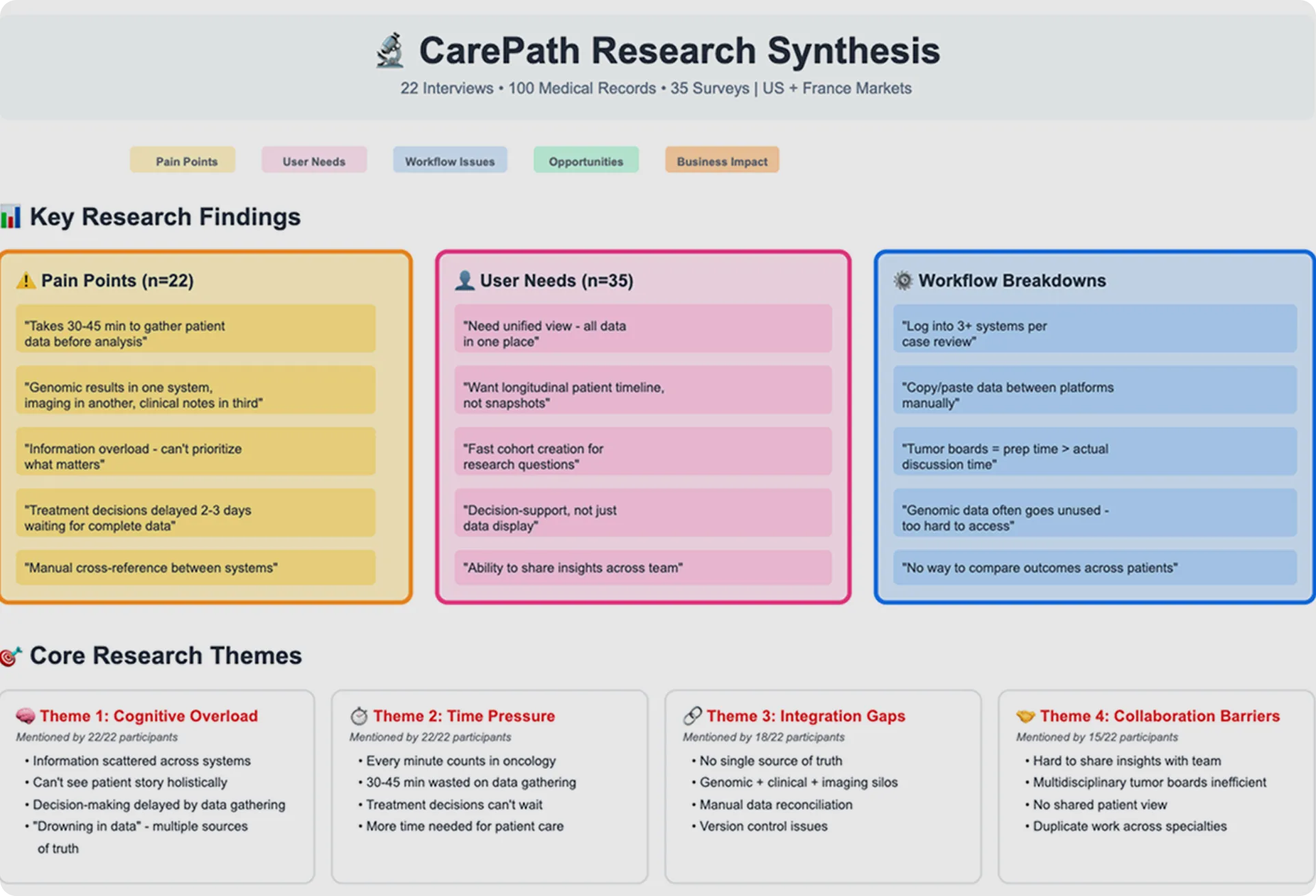
After conducting 10 in-depth interviews, analysing 100 medical records, and gathering insights from 20 surveys, our team spent three days organising findings into thematic clusters.Every sticky note represented a pain point, need, or insight from real clinicians.

I identified 4 core research themes

Cognitive Overload

Information scattered across systems, can't see patient story holistically

Time Pressure

Every minute counts in oncology, 30-45 min wasted on data gathering

Integration Gaps

No single source of truth, genomic + clinical + imaging silos

Collaboration Barriers

Hard to share insights across team, no shared patient view

Strategic decision: Basics Over Brilliance

Stakeholders wanted "advanced AI features." Research showed users needed reliable basics first. I facilitated workshops that aligned the team on this approach, saving 6 months of unwanted development.

Discovery: Meeting Them Where They Were
Affinity mapping session with the entire product team transformed raw insights into 8 prioritised user needs mapped to business goals.

💬 The Turning Point"If we can't get the basics right, nobody will trust the advanced features.

Discovery: Meeting Them Where They Were
Affinity mapping session with the entire product team transformed raw insights into 8 prioritised user needs mapped to business goals.

The Design: From Research to Reality

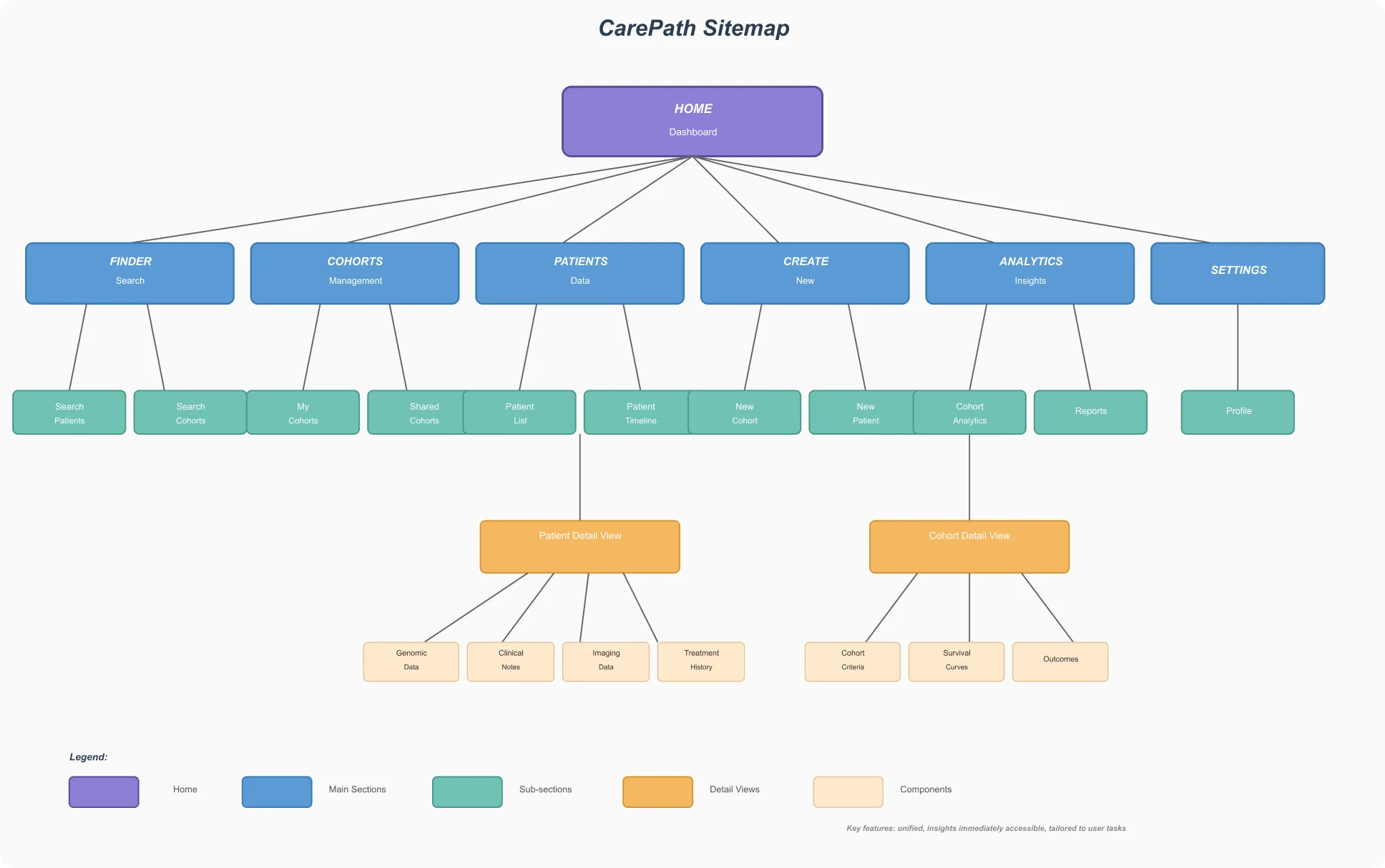
Sitemap
I organised the platform to make it easy for users to find what they need. The site map shows a clear structure, starting from the main dashboard and moving through patient data, cohorts, and analytics. This helps users navigate smoothly and focus on their daily tasks.

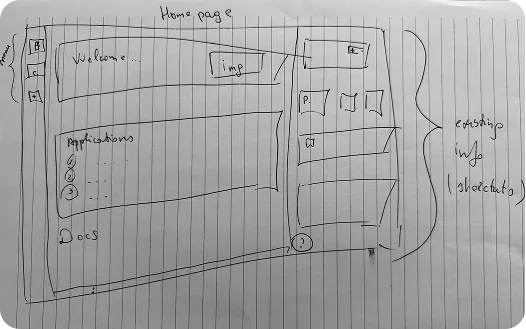
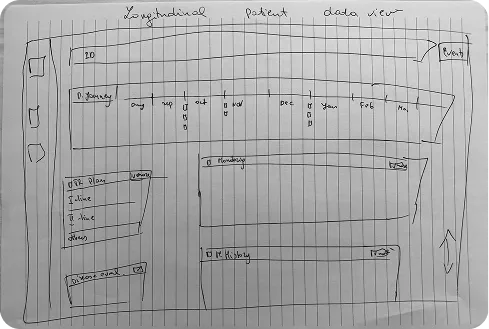
Early explorations
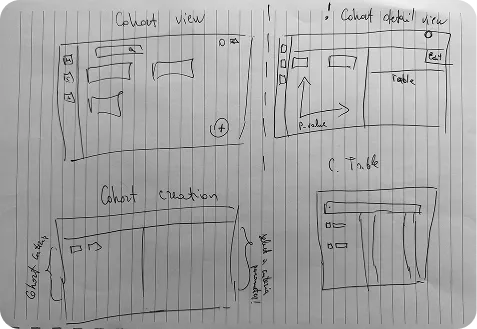
Before jumping into high-fidelity designs, I sketched multiple concepts to explore different approaches to organising complex medical data.

User flows
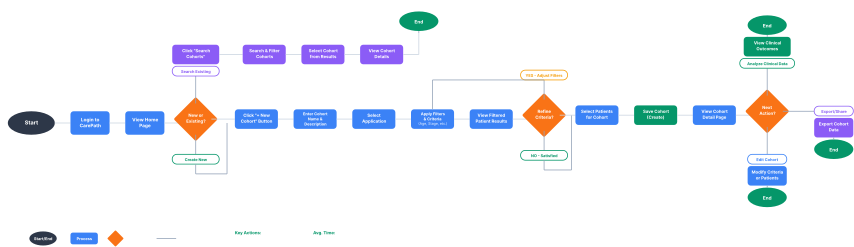
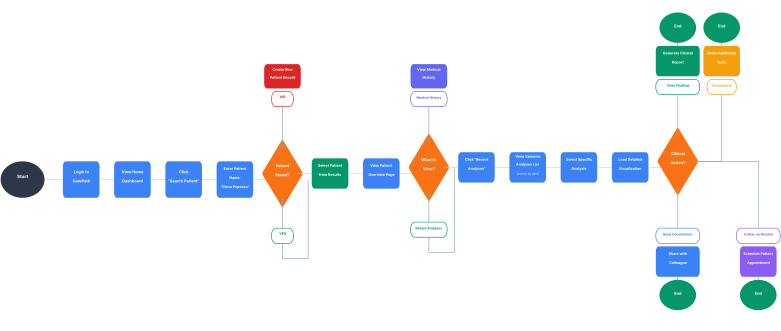
I designed and validated key user journeys for CarePath's primary archetypes, showing how clinicians move from fragmented data sources to unified decision-making, with measurable efficiency gains at each step.

CarePath User Flow: Cohort Creation

Dr. Maria creates a patient cohort for Stage IV NSCLC research study

CarePath User Flow: Patient Data Visualization

Dr. Maria reviews genomic analysis results

High fidelity designs

After several iterations, we developed a high-fidelity prototype solid enough to kicks.

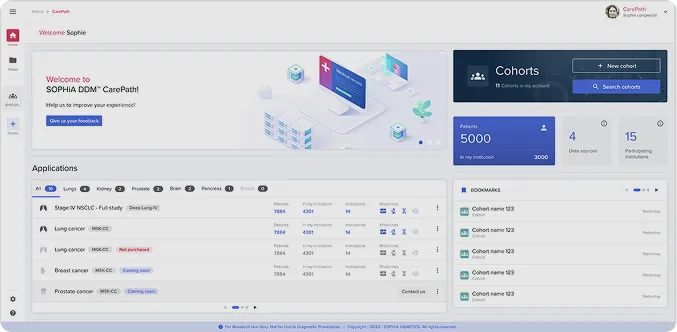
Home dashboard
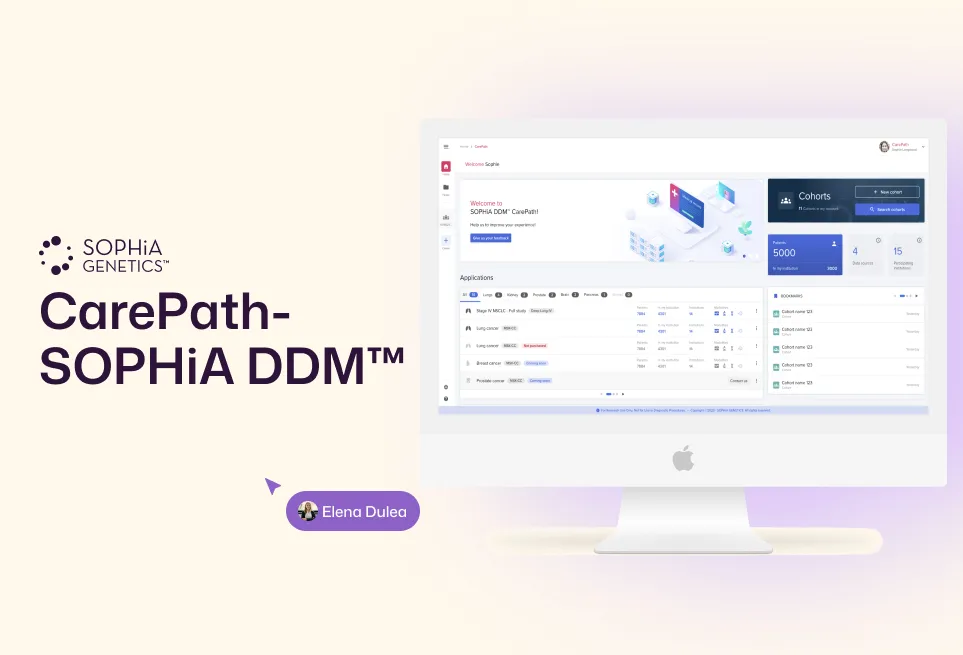
Welcome screen showing overview of applications, cohorts, and key metrics. Users can quickly access their most important data

Unified patient timeline
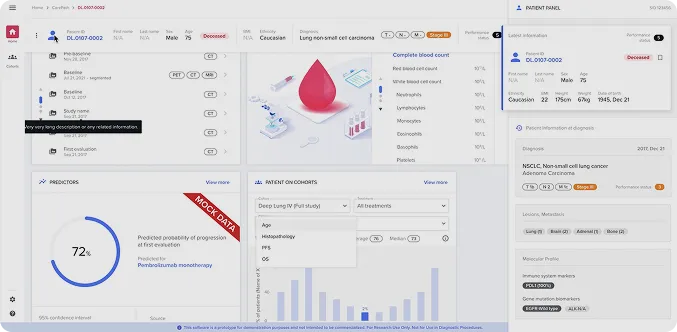
All patient data in one view—genomic results, imaging, clinical notes, treatment history. No more jumping between systems

Medical imaging integration
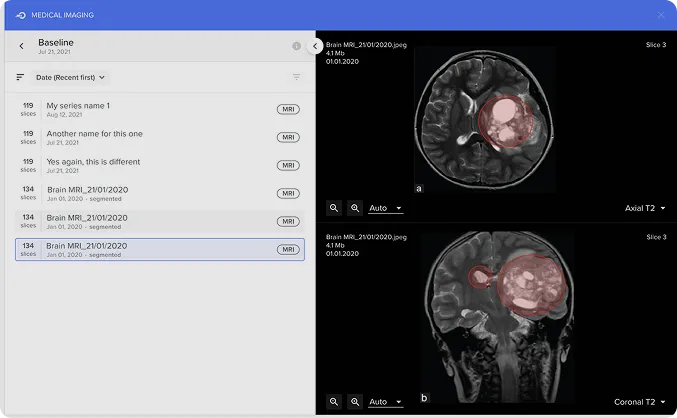
Seamless access to medical imaging directly within patient context. No separate PACS login required

Cohort management
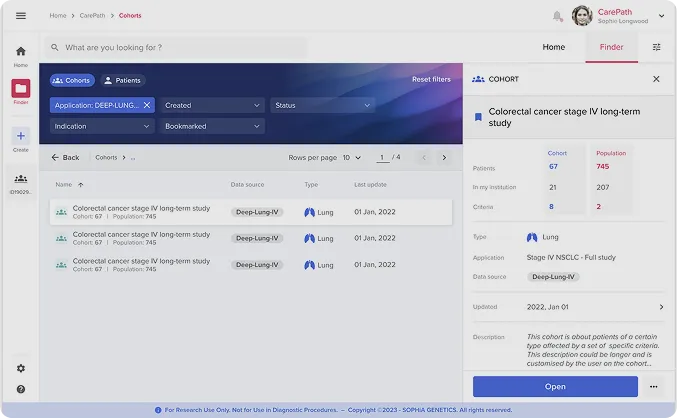
Create and manage patient cohorts based on shared characteristics. From days to minutes

Patient data vizualization flow:
All patient data in one view—genomic results, imaging, clinical notes, treatment history. No more jumping between systems.

Usability Testing & Iteration

I conducted remote moderated usability tests with 12 participants.

Specifically, 67% of participants confused our two types of cohorts—Study Cohorts (read-only) and Custom Cohorts (editable).

Users could complete the tasks, but they didn't truly understand what they were doing or why the two cohort types existed.

The results: After iterating based on feedback, I achieved a System Usability Score of 82%, well above the industry average of 68%.

The Discovered Problem

All tasks were completed successfully, but 5 out of 9 users found the cohort labeling system confusing.

The Fix

After redesigning with clear labels, color coding, tooltips, and confirmation messages, the error rate dropped from 67% to 12%.Cost: 3 weeks of additional design and testing time.

Key Learning

Test understanding, not just success. Task completion rates can mask deep confusion about mental models.

Impact

The problem we solved:Oncologists were spending 30-45 minutes per patient case gathering data from fragmented systems before beginning analysis. This meant delayed treatment decisions and less time for patient care.

Time back to patient care

30+ minutes saved per patient case translates to hours given back weekly to oncologists who can now focus on treatment prediction and patient care rather than data hunting.

DEEP-Lung-IV study scale

CarePath enabled the DEEP-Lung-IV international study with ~2,000 patients across 30 sites in 8 countries, providing unified multimodal data visualization for groundbreaking lung cancer research.

User satisfaction 82% System Usability Score, well above the industry average of 68%.

New Opportunities for SOPHiA GENETICS

Memorial Sloan Kettering Cancer Center partnership

New collaboration with one of the top-ranked cancer centers in the United States, expanding CarePath's reach in precision oncology.

What This Means for Precision Oncology

Faster treatment response prediction through unified multimodal patient timelines

Efficient cohort creation—minutes instead of days

Scalable international research collaboration

Foundation for ML algorithms predicting immunotherapy response

Disclaimer: CarePath's success opened doors to strategic collaborations: learn more about these partnerships
Boundless Bio partnership

Partnership with a next-generation precision oncology company developing innovative therapeutics directed against extrachromosomal DNA (ecDNA) in oncogene amplified cancers.

Thank You!

For reading through! Hope you enjoyed learning about my design and thought process. 🙂

Want to see CarePath in action?

Disclaimer:  All images and data used with permission from SOPHiA GENETICS. Some metrics have been adjusted for confidentiality.

Thank you! Your submission has been received!
Oops! Something went wrong while submitting the form.